
The Game: Algorithms Playing Chess with Banana Peels
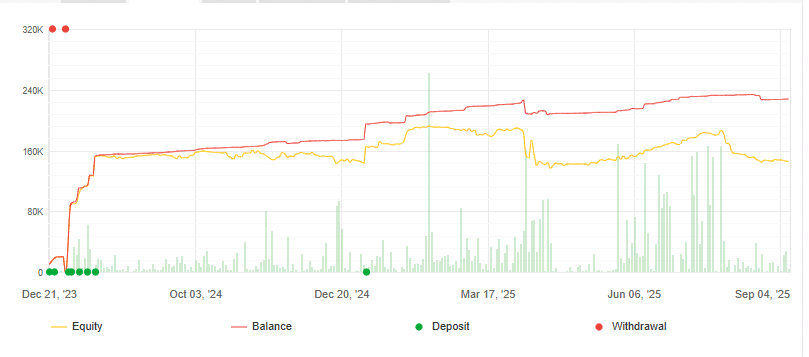
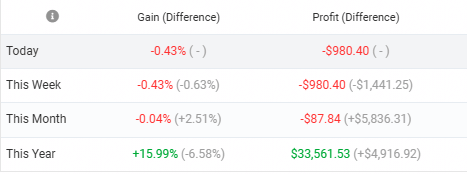
My Octane bot is still in the market, hanging on like a squirrel at a bird feeder during a tornado. The real challenge is figuring out which game it thinks we’re playing—sometimes it feels more like hopscotch than forex trading.
EFX, the makers of this algo bot, recently sent users a video explaining how these wild market swings have stretched Octane’s code, but haven’t snapped it. So far, Octane’s playing on a level few amateur traders recognize: it’s not just about buying low and selling high, it’s about surviving surprise plot twists… like when central banks change interest rates with all the drama of reality TV.
How Interest Rates Mess with Bots (and Humans)
Interest rates are a huge deal to both traders and bots. When the Federal Reserve lowers rates—even just a quarter of a percent—it’s like giving global currencies a new pair of shoes: suddenly everyone’s running in unexpected directions. Lower rates usually mean the U.S. dollar weakens, so Octane (in theory!) was ready for dollars to lose value against the pound. But markets often surprise. Right after the rate dropped, instead of shunning the dollar, traders seemed willing to forgive it as quickly as a reality contestant forgives bad editing. Go figure.
Bots like Octane are designed to react to probability—rate cuts, dollar swings, and big news events. Advanced bots even scan news headlines and economic calendars to sniff out what might happen next, running thousands of “if-then” scenarios in milliseconds. Sometimes this works beautifully… other times, it’s like watching a squirrel misjudge a jump.
Drawdown Danger: When Losing Feels Like a Magic Trick Gone Wrong
After tracking Octane’s stats for five months, I’m not ready for a victory dance. Drawdowns, or “how far my account has dropped since its peak,” are the ugly side of trading. Most pros aim for a max drawdown of 15–20%, but lately Octane has created a drawdown around 40%—the trading equivalent of finding out your magic trick involves sawing your own wallet in half. Optimism, as any trader learns, eventually expires (unlike government bailouts).
To keep bots from going full “nuclear option,” algorithmic trading platforms use risk management strategies: position sizing, stop-loss orders, volatility adjustments, and rules that automatically pause or shrink trades when drawdowns get scary. The best bots don’t just look for profit—they protect against disaster.
Bots on Probation, Humans Back in Charge?
Yes, Octane calls the shots, but I’m still the referee. Small, controlled losses are waaaaay better than letting my account bleed out. If Octane’s programming signals another risky move, I can unplug the bot and send it to join the retirement home for failed algorithms. After a two-year partnership, replacing Octane will be tough—like finding a new hair stylist who understands your weird cowlick.
If both Octane and my patience run dry, I’ll likely let human fund managers handle what’s left of my retirement, with just a pinch of crypto left in the sandbox—because nothing says “living dangerously” like keeping a few Bitcoin in your back pocket.
Bonus: What Should Traders Watch Next?
- Major interest rate moves can send currencies flying, especially if the change catches markets off-guard.
- The dollar dropped about 11% in early 2025—the biggest tumble since disco was king—affecting exports, inflation, and investments everywhere.
- Risk management isn’t just for bots. Humans need guardrails too, including regular drawdown reviews and strategy tweaks if the market goes haywire.
- Bots are best seen as tools—not miracle workers—no matter how flashy their ads sound.


